

Now-Rooz is the Persian New Year celebrated around the spring equinox, usually on March 20th or 21st, with roots in Zoroastrian tradition. It revolves around renewal, hope, family, and nature. For an intercultural church planting, this holiday can inspire rituals of letting go, gratitude, community, and the celebration of new life.
The word Now-Rooz literally means “new day” in Persian. The holiday is celebrated in Iran, Afghanistan, Tajikistan, parts of Iraq, Azerbaijan, and by the diaspora worldwide.
Historical Background
* Origin: Over 3,000 years old, rooted in Zoroastrianism, the ancient Iranian religion.
* Symbolism: Victory of light over darkness, spring as a new beginning for nature.
Traditions and Customs
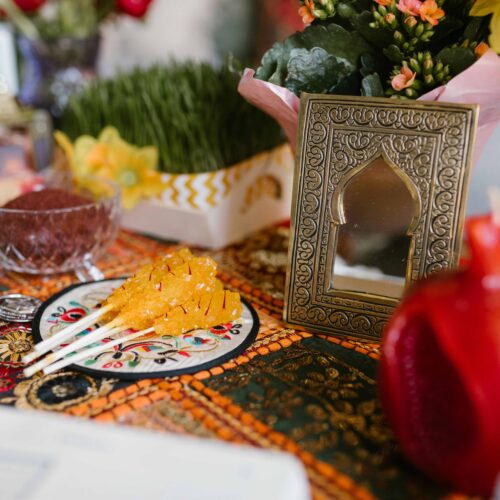
* Khaneh Tekani” – literally “shaking the house”: a thorough cleaning of the house and its surroundings, symbolic of sweeping away the old year.
* Haft-Seen Table: A traditional table with seven items beginning with the Persian letter س (S), each with symbolic meaning:
* Sabzeh(green sprouts) – growth and renewal* Samanu(sweet pudding) – abundance
* Senjed(olive fruit) – love
* Seer(garlic) – health
* Seeb(apple) – beauty and health
* Somāq(sumac) – patience and the color of the sun
* Serkeh (vinegar) – patience and ripening
Celebration
* Family and friends gather for meals, music, and visits* New clothes are worn to mark the start of the new year.
* Children receive money or small gifts
* Traditional dances, songs, and sometimes fire ceremonies welcome spring.
Intercultural Sensitivity
Not everyone in your community celebrates Now-Rooz, but the theme of renewal and hope is a value that resonate with all cultures.
Suitable songs:
Chinese New Year is the most important traditional holiday in China and surrounding countries, based on the lunar calendar. It revolves around family, happiness, prosperity, and new beginnings. It is the most important traditional festival in China and is also celebrated in other Asian countries such as Vietnam, Korea, Singapore and Malaysia, often with local variations. For an intercultural church plant, this holiday can inspire community meals, symbolic rituals, moments of light, and cultural exchange.
Historical Background
* Chinese New Year has existed for over 4,000 years.
* The festival originated from agricultural rituals, intended to celebrate the end of winter and the beginning of the new agricultural year.
* There are also mythological stories, such as the defeat of the monster Nian, which inspired a fear of fireworks and the color red.
* Each year is associated with one of the 12 animals in the Chinese zodiac, which influences horoscopes and cultural significance.
Traditions and Customs
Preparation
* Cleaning the house (symbolic of sweeping away bad luck and welcoming prosperity).
* Hanging red decorations, such as lanterns and couplets, to bring good luck.
*Shopping for gifts and food for the festivities.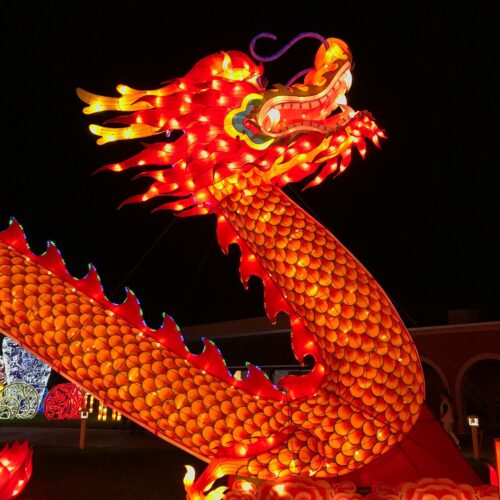
Celebration
* Family dinner on New Year’s Eve, often with symbolic foods such as dumplings and fish.
* Fireworks and firecrackers to chase away evil spirits.
* Giving money in red envelopes (“hongbao”) to children and younger relatives.
* Visits from family and friends, wishing for good luck and health.
* Dragon and Lion Dances, often performed on the streets or in temples.
Food Symbolism
* Fish – Abundance
* Dumplings – Wealth
* Tangerines/Oranges – Happiness
* Glutinous Rice Balls – Unity and Family Bonds
Intercultural Sensitivity
* Not everyone follows the Chinese lunar calendar; explain that it is a cultural and symbolic celebration, not a religious obligation.
* Focus on community, new beginnings, and values of hope and prosperity, which are universal.
* Allow for other New Year celebrations in the community, so that Chinese New Year becomes one of many stories.
Suitable songs
Diwali is the Hindu festival of lights that celebrates the victory of light over darkness. It revolves around family, community, light, purification, and prosperity. For an intercultural church planting, Diwali can inspire light ceremonies, gratitude, shared meals, and rituals of letting go and new beginnings. Diwali usually falls in October or November, depending on the lunar Hindu calendar. It lasts five days, with the third day being the most important for most families.
Historical and mythological background
* The victory of Rama over the demon king Ravana (from the epic Ramayana).
* Rama’s return to Ayodhya, with lanterns illuminating the city.
* Jain tradition: Commemoration of the enlightenment of Lord Mahavira.
* Sikh tradition: Commemoration of the liberation of Guru Hargobind Ji.
Diwali thus combines cultural, spiritual, and seasonal symbolism, emphasizing light, purification, and renewal.
Traditions and Customs
Preparation
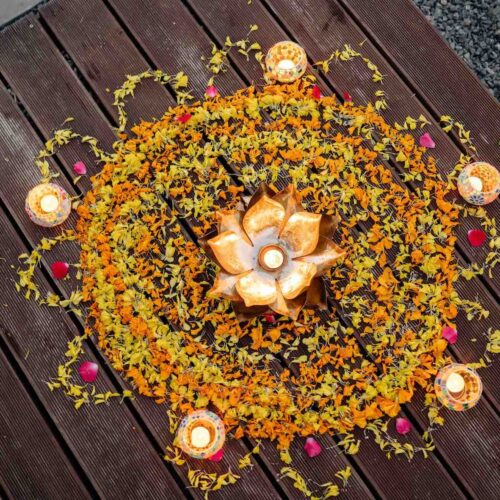
* House Cleaning and Decoration – Every house is thoroughly cleaned and decorated with flowers and diyas (small oil lamps).
* Rangoli – Colorful patterns on the floor at the entrance, intended to welcome good luck and positive energy.
Celebration
* Lights and Fireworks – Diyas and candles are lit everywhere, symbolizing light over darkness.
* Prayer and Rituals – Family members pray to Goddess Lakshmi for wealth and prosperity.
* Meals and Sweets – The exchange of delicacies such as laddoos, barfi, and other sweets.
* Gifts and Visits – Family and friends visit, exchange gifts, and offer blessings.
Intercultural Sensitivity
* Diwali is not just a religious festival; the values of light, hope, and community are universal.
* Allow room for other cultural celebrations of light and new beginnings, such as Now-Rooz, Chinese New Year, or Western New Year.
Suitable songs
The Western New Year (January 1st) is a transitional holiday spread worldwide with roots in the Roman calendar. It revolves around reflection, hope, and new beginnings and can be a powerful opportunity for gratitude, prayer, and community in an intercultural church.
History
The idea of starting the year on January 1st originated in ancient Rome.
* In 45 BC, Julius Caesar introduced the Julian calendar.
* He set the beginning of the year on January 1st, in honor of Janus, the Roman god of doors, transitions, and new beginnings.
* In 1582, Pope Gregory XIII reformed the calendar to the Gregorian calendar, which still begins the year on January 1st.
Many countries officially adopted this calendar centuries later, leading to the gradual spread of New Year’s celebrations worldwide.
How it’s celebrated today
While the basics are the same, customs vary by country.
Common elements
* Countdown to midnight
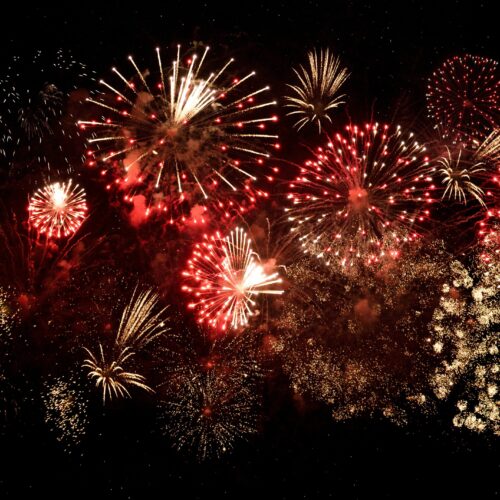
* Fireworks
* Parties and gatherings with family/friends
* New Year’s greetings (“Happy New Year”)
* New Year’s resolutions (personal goals for the new year)
Symbolic themes
* New beginnings
* Reflection on the past year
* Hope for the future
* Peace and prosperity
Ideas for an Intercultural Church Planting
Because New Year’s is already a globally shared moment of transition, it can form a strong bridge between cultures.
Possible formats
*Thanksgiving and blessing moment
* Intercultural meal*
*Testimonies or reflection
*Blessing ritual
Intercultural sensitivity
In an intercultural context, it helps to:
* recognize that not everyone sees January 1st as their own New Year
* provide space to celebrate multiple New Year’s occasions
* integrate traditions from different cultures
This can help the church become a place where multiple calendars and stories converge.
Suitable songs